


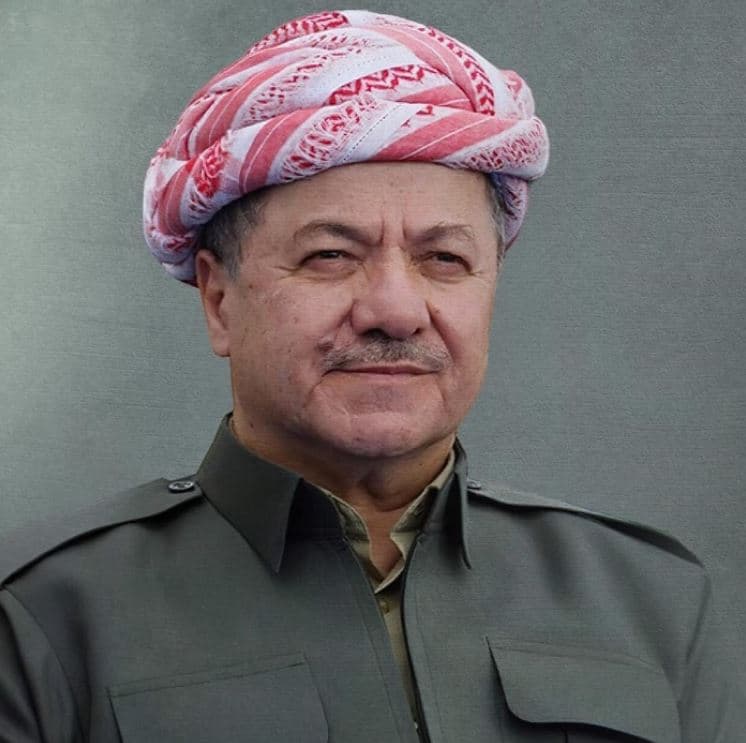


Mohammed Abdulrahim Mohammed, also known as Sheikh Mohammed Harsin, born in 1927 in Sulaimani, pursued his studies in Sulaimani until the fourth grade. However, in 1979, he mysteriously vanished during a covert operation in East Kurdistan. Notably, he possessed exceptional fluency in Kurdish, Arabic, and Persian languages.
Service RecordIn 1954, he joined the committee of the Kurdistan Democratic Party (KDP)-Iraq's fourth branch. Subsequently, in 1958, he became a member of the committee of the United Kurdistan Democratic Party (KDP)'s fourth branch. In 1959, he played a pivotal role in establishing the Kurdish People's Party. Collaborating with Mohammed Aziz, he founded the Kurdish People's Party in Sulaimani in 1962, which emerged as a significant national movement. By 1963, he had enlisted in the Peshmerga forces and also contributed to the operations of the Voice of Kurdistan Radio. On March 27, 1964, he joined the Kurdish Freedom and Revival Association and the Kurdish Union (Kazhik) to bolster the national movement in South Kurdistan. He assumed a leadership position within Kazhik, aiming to unite the organization. During the same year, he supported the presidential wing over the political bureau wing following the Mawat meeting, striving to prevent a civil war. His influence within Kazhik led to the decision to endorse Mustafa Barzani as the national President. In early June 1964, he was elected as a member of the preparatory committee for the sixth congress of the Kurdistan Democratic Party (KDP). Additionally, he served as a member of the Central Committee of the Kurdistan Democratic Party (KDP) during the Sixth Congress. Furthermore, he held positions in the Leadership Council of the Kurdistan Revolution, the Executive Bureau, and the Finance Committee of the Executive Bureau in 1964. In the latter part of 1965, he assumed the position of the second head of the committee for the fourth branch. During the early days of March 1966, he actively engaged in a comprehensive three-month program focused on safeguarding interests abroad. In the same year, he garnered the position of a reserve member of the Central Committee for the Kurdistan Democratic Party (KDP) during the Seventh Congress. In 1967, he was entrusted with the responsibility of leading the committee for the fourth branch, while simultaneously serving in the security agency. Additionally, he held the esteemed position of editor-in-chief for the magazine Rzgari, which served as the official publication of the fourth branch committee. On April 15, 1967, he was appointed as a delegate to the Military-Political Conference of Kani Smaq (Erbil), under the guidance of President Mustafa Barzani, where he played a pivotal role as a negotiator with the Iraqi government. In 1970, he was selected as a member of the negotiating committee for discussions with the Iraqi government. During the same year, he actively participated in the establishment of the Erbil branch of the Kurdish Writers Union, serving as a founding member. Furthermore, he commanded the Karokh force in 1970. In the same year, he was designated as the deputy head of the third branch for the Kurdistan Democratic Party (KDP). On May 25, 1971, he was appointed as a member of the preparatory committee for the congress of the Kurdistan Writers Union, and also played a significant role in organizing the venue for the congress in Nawprdan village. In 1972, he held the esteemed position of secretary to President Mustafa Barzani. In 1973, he assumed the role of overseeing the financial aspects of the September Revolution, and concurrently served as the head of the Tehran Commercial Bureau in the Kingdom of Iran, which was instrumental in promoting the ideals of the September Revolution. In December 1974, in his capacity as the commercial representative of the September Revolution in Tehran, he facilitated the publication of the first color calendar commemorating the September Revolution.
Sources:
-
ئـ.د.ئـ، فایلی ژماره 7-FB، دهقی چاوپێكهوتن له گهڵ ئاری محهمهد عهبدولڕەحیم ناسراو به ئاری ههرسین لهلایهن فوئاد ڕەوهند، ههولێر، 20 تهموزی 2016ز، ل ل 1 ـ 3.
-
علي سنجاري، القضیة الكوردیة وحزب البعث العربي الأشتراكي في العراق، الجزء الثالث، (دهوك ـ مطبعة خاني ـ 2012م)، ص ص 362 ـ 363، 407.
-
كاكامهم بوتاني، ذكریات عن أول تقویم جداري لثورة أیلول، مجلة زاگروس، وزارة الثقافة ـ أقلیم كردستان، مطبعة وزارة الثقافة، العدد 4، أربیل، كانون الأول 1997م، ص 26.
-
ئهحمهد بێكهس، بیرهوهرییهكانی ئهحمهد بێكهس (كوردایهتی)، ئامادهكردنی دارا ئهحمهد بێكهس، (ههولێر ـ دهزگای چاپ و بڵاوكردنهوهی بهدرخان ـ 2016ز)، ل 209.
-
روژین چلبی منیر، زاخۆ 14ی تیرمهها 1958 ـ 6ی ئادارا 1975، (بێ شوێن ـ سهنتهرێ زاخۆ بۆ ڤهكۆلینێن كوردی ـ 2018ز)، ل 226.
-
حبیب محمد كریم، تأریخ الحزب الدیمقراطي الكوردستاني ـ العراق (في محطات رئیسیة) 1946 ـ 1993، (دهوك ـ مطبعة خهبات ـ 1998م)، ص ص 91، 104.
-
حهمهی فهرهج ههڵهبجهیی، له شنروێ وه بۆ ستكهۆڵم، چاپی سێیهم، (سلێمانی ـ چاپخانهی كارۆ ـ 2015ز)، ل 114.
-
دلێر ئیسماعیل حهقی شاوهیس، كاژیك، ڕۆژنامهی ههولێر، ژماره 2119، ههولێر، 21 نیسانی 2015ز، ل 8.
-
دهستهی كارگێڕی لقی ههولێری یهكێتی نووسهرانی كورد، یهكێتی نووسهرانی كورد لقی ههولێر 10/2/1998 ـ 10/2/2000، (ههولێر ـ چاپخانهی وهزارهتی ڕۆشنبیری ـ 2000ز)، ل 9.
-
بارزانی ههمیشه دهیگوت بڕوام به شای ئێران نییه، ڕۆژنامهی بارزان نیوز، ژماره 181، ههولێر، یهكشهمه، 19 ئهیلولی 2010ز، ل 5.
-
شكیب عقراوي، سنوات المحنة في كردستان أهم الحوادث السیاسیة والعسكریة في كوردستان والعراق من 1958 الی 1980، الطبعة الثانیة، (أربیل ـ مطبعة منارة ـ 2007م)، ص 157.
-
شیرزاد زكریا محمد، مجلس قیادة الثورة في كوردستان ـ العراق 1964 ـ 1970 دراسة تاریخیة سیاسیة عامة، (دهوك ـ مركز الدراسات الكوردیة وحفظ الوثائق ـ جامعة دهوك ـ مطبعة جامعة دهوك ـ 2010م)، ص 80.
-
عصمت شریف وانلي، كوردستان العراقیة هویة وطنیة (دراسة في ثورة 1961)، ترجمة الدكتورة سعاد محمد خضر، (السلیمانیة ـ مؤسسة ژین لاحیاء التراث الوثائقي والصحفي الكوردي ـ مطبعة شڤان ـ 2012م)، ص ص 316، 326.
-
علي سنجاري، القضیة الكوردیة وحزب البعث العربي الاشتراكي في العراق، الجزء الثالث، (دهوك ـ مطبعة خاني ـ 2012م)، ص 331.
-
علي سنجاري، حقیقة مسیرة ثورة 11 أیلول 1961، (دهوك ـ مطبعة خاني ـ 2013م)، ص ص 290، 408.
-
عهبدوڵا ئاگرین، مێژووی شكۆداری كاژیك، (ههولێر ـ چاپخانهی ڕۆژههڵات ـ 2015ز)، ل ل 21، 40.
-
لالۆ عهبدولڕەحمان پێنجوێنی، نیو سهده بۆ نیشتمان، (سلێمانی ـ چاپخانهی چڤان ـ 2012ز)، ل 36.
-
اللجنة التحضیریة للمؤتمر الثاني لاتحاد الادباء الأكراد، جریدة التآخي، العدد 759، بغداد، مطبعة دار الجاحظ، الأثنین، 14 حزیران 1971م، ص 3.
-
محهمهد مهلا قادر، خهباتنامه كورته مێژووی پارتی و كولتووری بارزانی نهمر، چاپی دووهم، (ههولێر ـ دهزگای چاپ و بڵاوكردنهوهی ئاراس ـ 2007ز)، ل ل 20، 61 ـ 62، 66.
-
نجم الدین الیوسفي، ثورة أیلول المجیدة، (دهوك ـ الفرع الأول للحزب الدیمقراطي الكوردستاني ـ الموحد ـ مطبعة كلیة الشریعة ـ 1995م)، ص 20.
-
هاوڕێ باخهوان، هاوڕێنامه بۆ مێژووی كوردستان و كورد، (سلێمانی ـ دهزگای چاپ و پهخشی سهردهم ـ چاپخانهی ڕوون ـ 1999ز) ، ل ل 174 ـ 175.